Inside the In-line Electric Linear Actuator: The Small Component Driving Big Movements
In modern automation — from RV roof lift systems and pergola automation to marine hatches and industrial machinery — there’s one small yet decisive component that quietly powers motion: the in-line electric linear actuator.
Many people only notice its simple “extend and retract” movement, but few realize that inside this slim cylinder lies a highly integrated micro transmission system. So, what exactly is hidden inside a pen-style electric linear actuator?
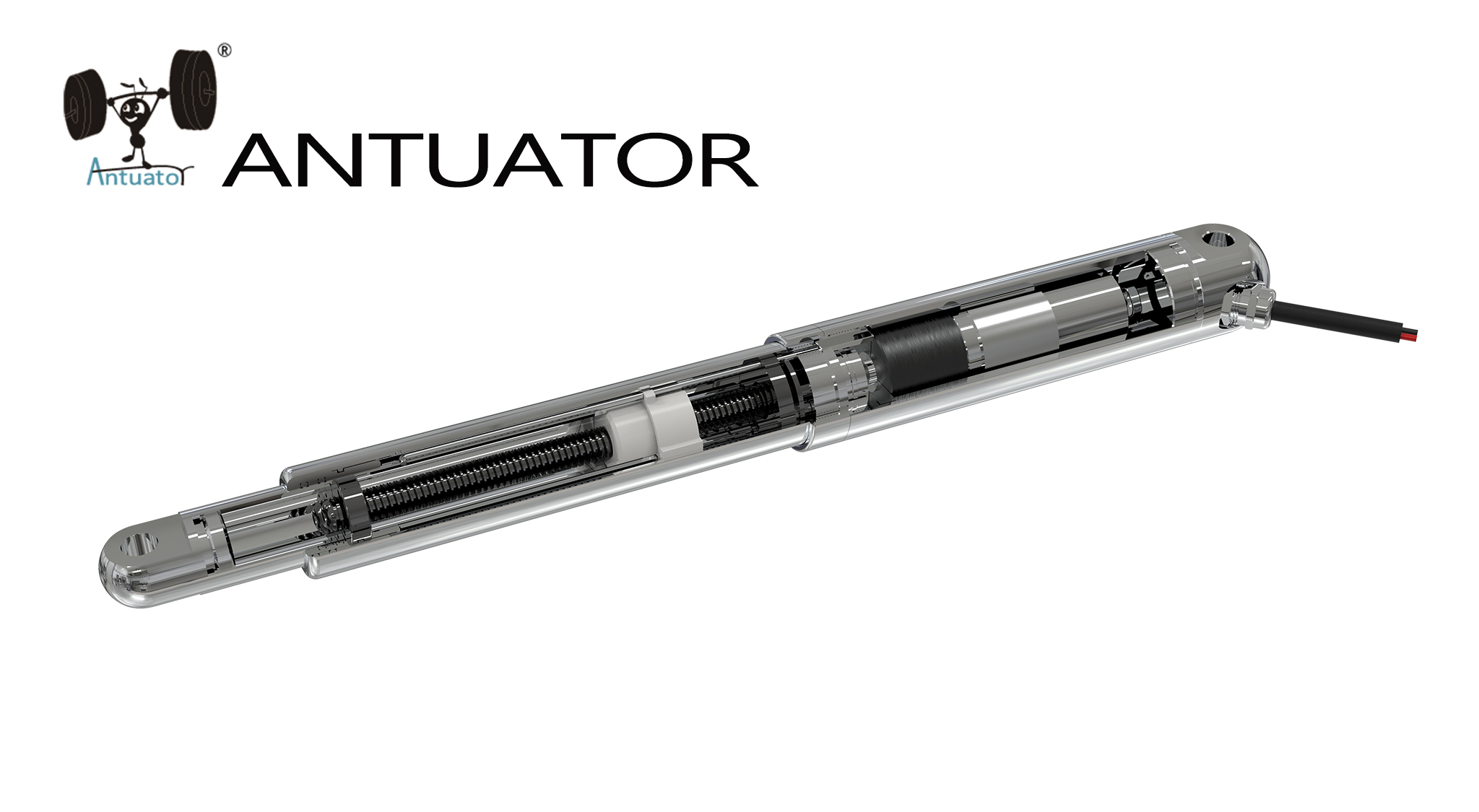
At first glance, an actuator might seem like just a combination of a motor and a screw. In reality, its long-term stable performance — even under harsh environments — depends on multiple systems working seamlessly together:
Drive Core:
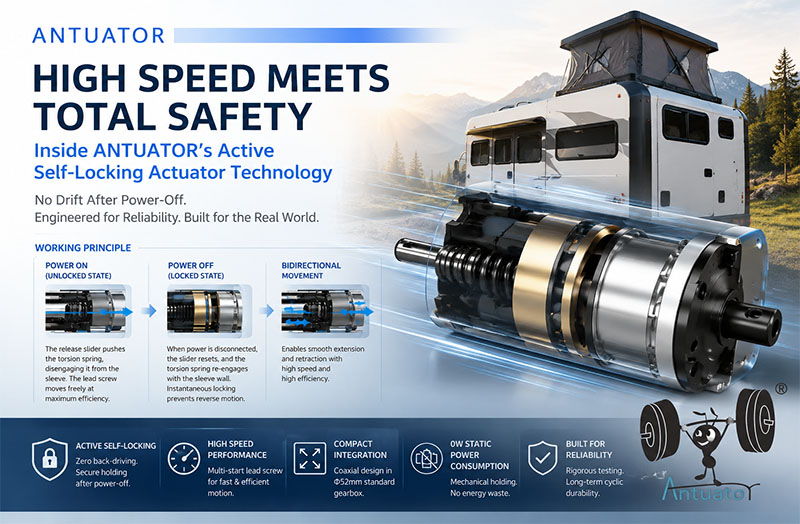
A compact motor and reduction gearbox deliver smooth, consistent power output.
Transmission System:
Converts rotational motion into precise linear push-and-pull movement.
Sealing and Protection Design:
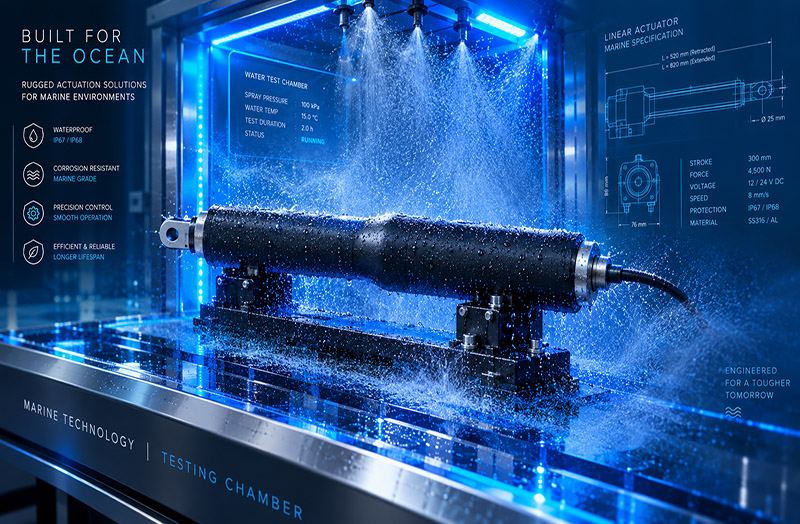
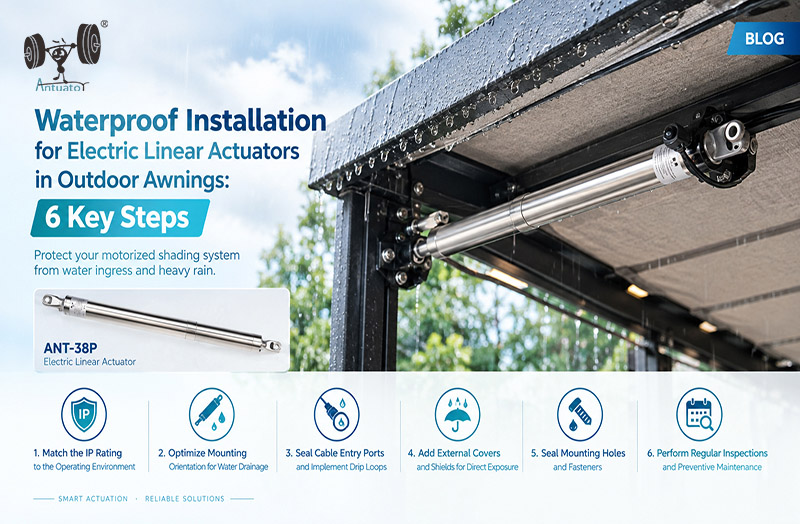
Prevents water, dust, and pressure intrusion — ensuring reliable operation even during rain, salt spray, or high-pressure cleaning.
Positioning and Travel Control:
Stops overrun or misoperation, protecting both the actuator and the equipment.
Mounting and Connection Structure:
Enables easy installation and adaptability to different applications, ensuring both stability and safety.
It’s this collaboration between precision-engineered parts that gives the actuator its industrial-grade reliability — a key reason why pen-style actuators are gaining popularity across industries.
Compared to traditional hydraulic, pneumatic, or bulky electric cylinders, electric linear actuators offer three clear advantages:
Compact Size – Ideal for tight mechanical spaces, offering designers more freedom and flexibility.
Accurate Linear Output – Provides clean, precise, and responsive motion.
Low Maintenance – Perfect for long-term outdoor, marine, or mobile use without frequent servicing.
Thanks to these benefits, pen-style actuators are now widely used in:
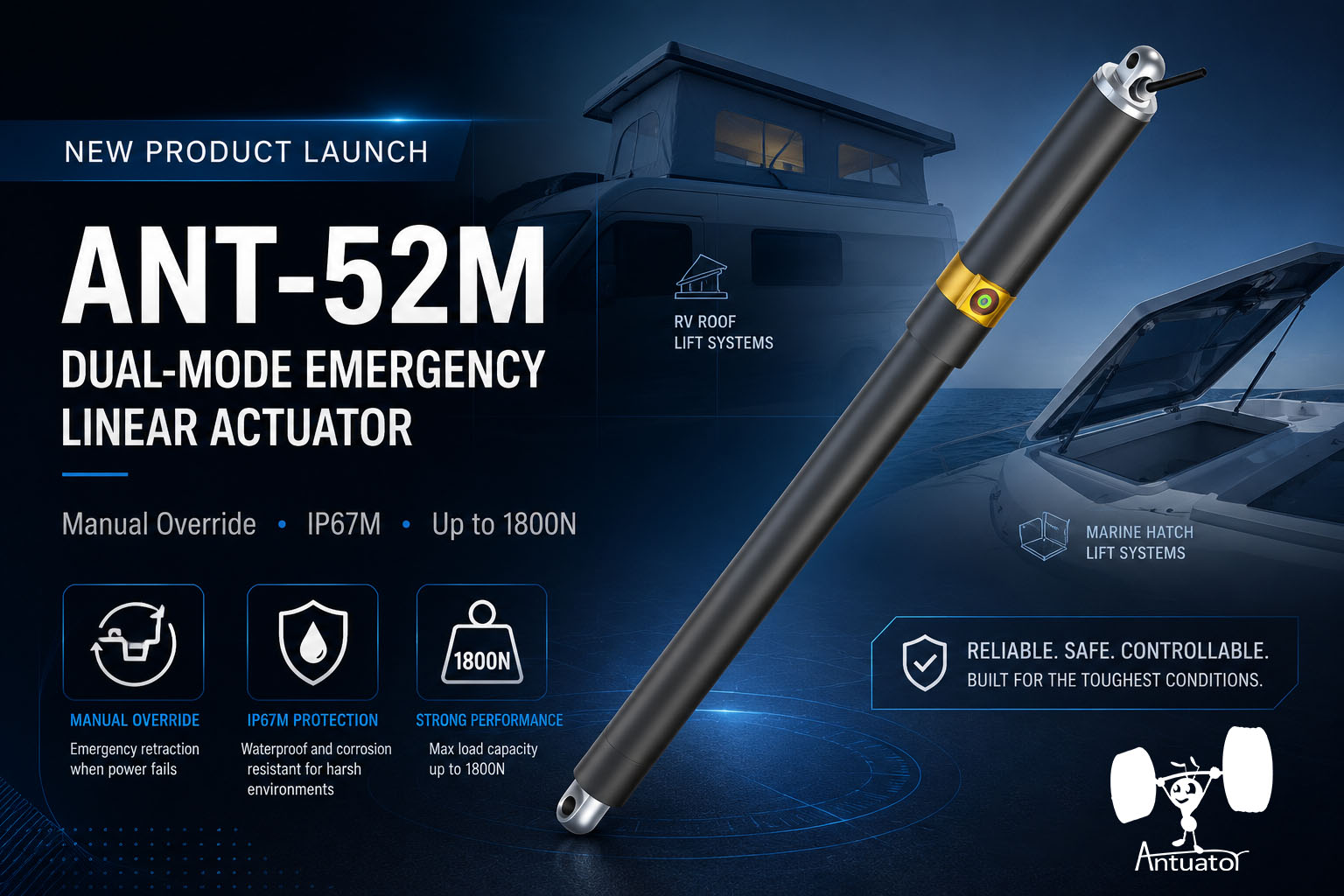
RV and camper roof lift systems
Automatic pergola and awning systems
Boat and yacht hatches or window systems
Special-purpose robots and industrial automation equipment
A linear actuator might look like a simple component, but in real-world applications, it often performs the final critical movement — the one that ensures a roof opens, a hatch lifts, or a safety system engages. When it fails, the result isn’t just inconvenience; it’s a risk to safety and user experience.
That’s why engineers must design for every “what if”:
What if it rains?
What if salt corrosion occurs?
What if the actuator faces repeated impacts?
What if travel control fails?
What if the user misoperates the system?
Each of these potential scenarios is translated into structural design, protective measures, and control logic that allow the actuator to perform reliably under all conditions.
A in-line electric linear actuator isn’t valuable simply because it moves — it’s valuable because it moves correctly, reliably, and under any condition.
Behind its minimalist appearance lies sophisticated mechanical design, precise manufacturing, and a deep understanding of motion control. That’s the true charm of industrial innovation: making complex reliability look effortlessly simple.