Electric linear actuators are widely used in modern automation systems. From RV pop-up roofs and marine equipment to outdoor awnings and industrial lifting devices, these actuators provide reliable and precise motion control.
However, in real-world applications, actuators may encounter unexpected situations such as overload, mechanical blockage, or sudden current spikes. Without proper protection, these conditions can cause serious problems including motor burnout, controller damage, or even system failure.
This is where overcurrent protection in electric linear actuators becomes essential. It acts as a safety mechanism that prevents excessive electrical current from damaging the actuator and the overall system.
In this article, we will explain what overcurrent protection is, why it matters, and how it improves actuator safety, lifespan, and reliability in demanding applications.
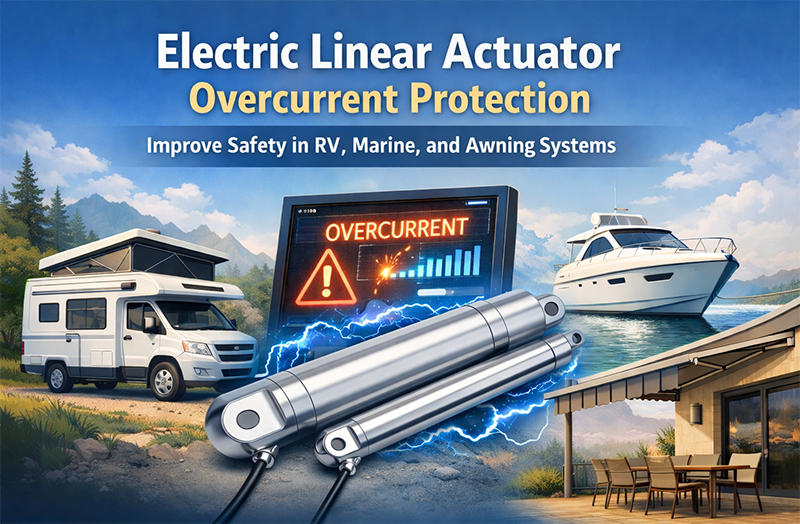
Overcurrent protection is an electrical safety feature designed to monitor and limit the current flowing through an actuator motor.
When the current exceeds a predefined safe threshold, the protection system will:
Automatically cut off power
Stop the actuator immediately
Prevent damage to the motor and electronic components
This process typically occurs within milliseconds, ensuring that the actuator and connected equipment remain safe even in abnormal operating conditions.
In modern electric linear actuator systems, overcurrent protection is often integrated into the controller or actuator electronics, providing continuous monitoring during operation.
Electric actuators operate in environments where loads and resistance can change unexpectedly. Without proper protection, excessive current may damage internal components and compromise system reliability.
Below are the key reasons why actuator overcurrent protection is essential.
The motor is the heart of an electric linear actuator. When the actuator encounters excessive resistance—such as a mechanical jam or overload—the motor will attempt to generate more torque.
This results in increased electrical current.
If the current continues to rise without protection:
Motor windings may overheat
Insulation may degrade
The motor may permanently fail
With overcurrent protection, the actuator detects abnormal current levels and stops the motor before damage occurs.
In addition to the motor, the actuator controller and electronic components are also vulnerable to current spikes.
Overcurrent protection helps protect:
Control circuits
Power drivers
Electronic control boards
By preventing electrical overload, the system maintains stable and reliable operation.
In many automated systems, a failed actuator can affect the entire equipment operation.
For example:
An RV roof that cannot retract
A marine hatch that fails to close
An outdoor awning stuck during strong wind
Overcurrent protection ensures that the actuator stops safely before such situations escalate into equipment damage or safety risks.
Overcurrent protection is especially important in environments where actuators operate under dynamic loads or outdoor conditions.
Below are some common applications.
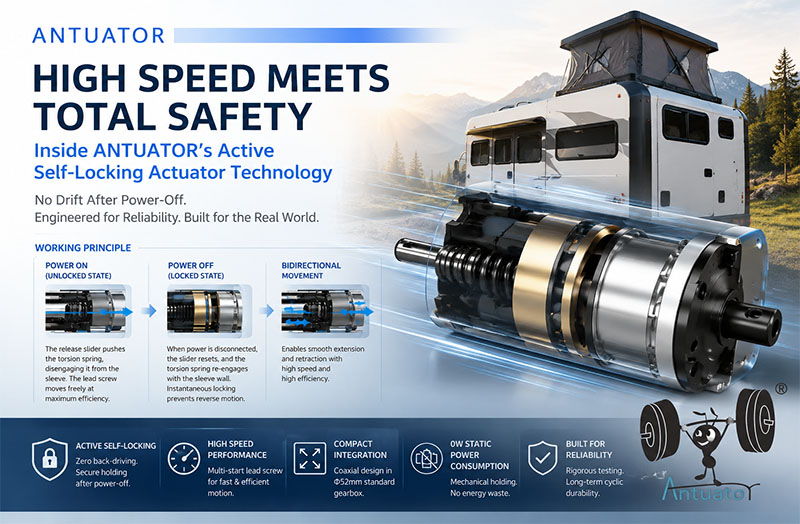
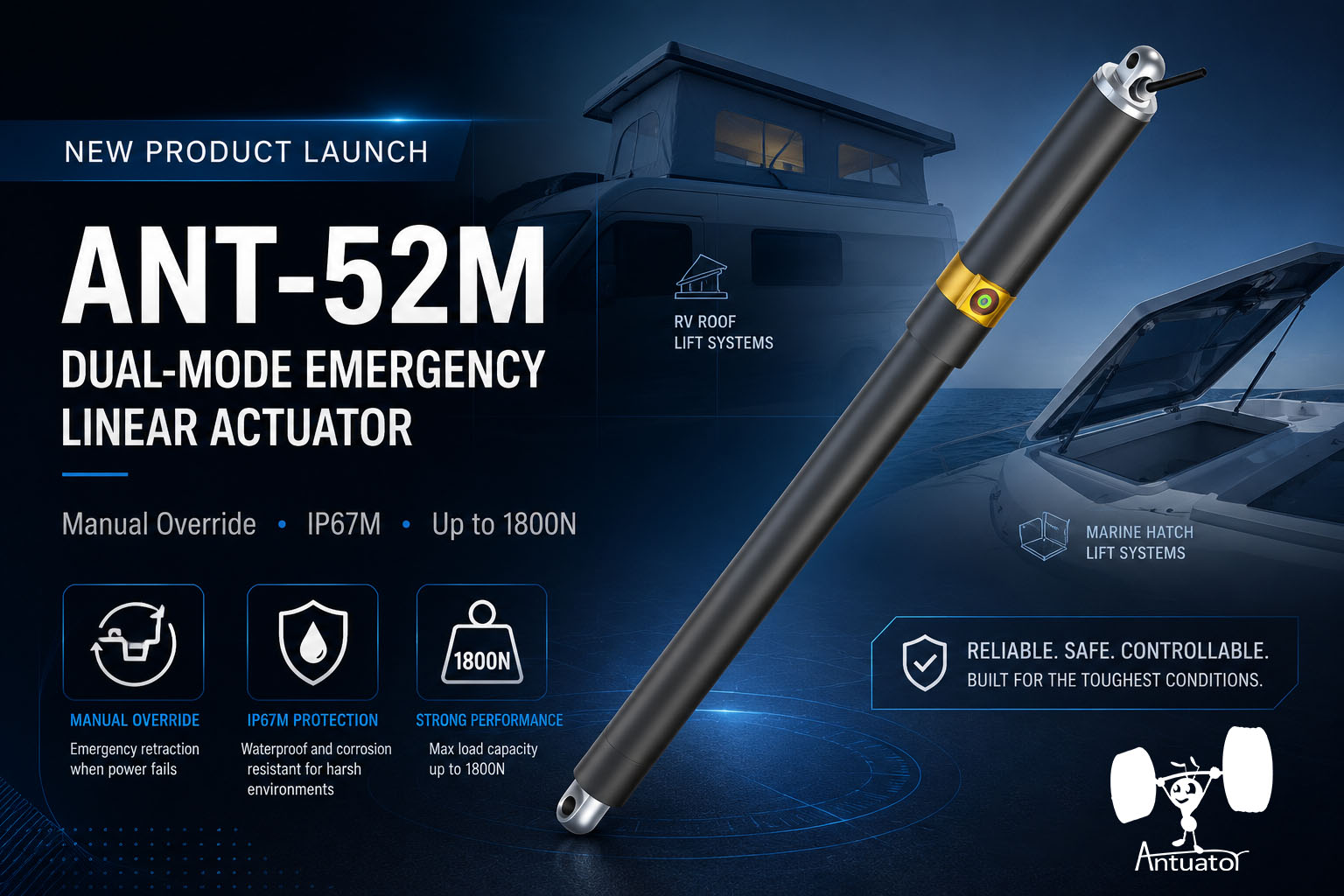
Electric linear actuators are widely used in RV pop-up roof lifting systems.
During operation, the actuator may experience:
Uneven loads
Structural resistance
Obstructions during lifting
Overcurrent protection ensures the system automatically stops if the load becomes too high, preventing damage to the roof mechanism and actuator motor.
Marine environments are challenging for mechanical and electrical equipment.
Actuators used in boats and yachts often control:
Hatches
Windows
Trim tabs
Lifting platforms
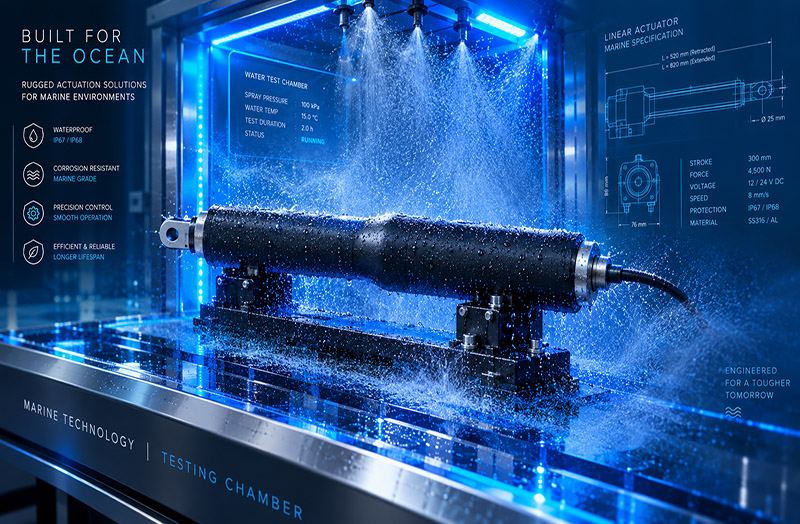
Saltwater environments, vibrations, and sudden load changes can all affect actuator performance. Overcurrent protection helps prevent electrical damage and improves reliability in marine automation systems.
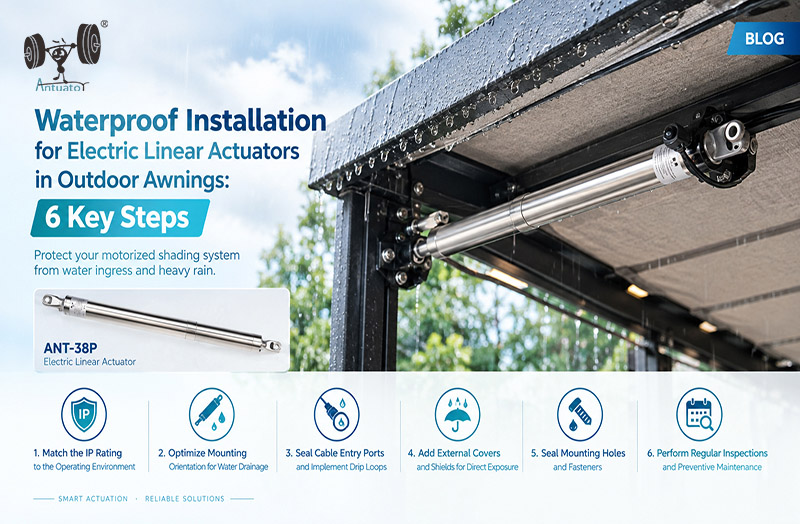
Outdoor awnings are exposed to unpredictable environmental conditions such as wind or debris.
If the awning encounters resistance while retracting or extending, the actuator may experience a sudden load increase.
Overcurrent protection allows the actuator to stop immediately, preventing damage to both the motor and the awning structure.
Integrating overcurrent protection into actuator systems provides several important advantages.
By preventing the motor from operating under unsafe electrical conditions, overcurrent protection helps extend the lifespan of:
The actuator motor
Internal gears and bearings
Electronic control components
This leads to more durable equipment and longer service intervals.
Unexpected equipment failures often require expensive repairs.
Without protection, actuator damage may lead to:
Motor replacement
Controller repair
System downtime
Overcurrent protection prevents minor issues from turning into major failures, significantly reducing maintenance costs.
For OEM manufacturers and automation integrators, system reliability is critical.
Actuators equipped with overcurrent protection, thermal protection, and voltage protection can operate more safely under varying conditions, ensuring stable performance in demanding environments.
As automation systems become more advanced, reliability and safety requirements continue to increase.
For industries such as:
RV manufacturing
Marine equipment
Outdoor automation
Industrial lifting systems
Overcurrent protection is no longer just an optional feature. It has become a key safety requirement for modern electric linear actuators.
By integrating intelligent protection systems, manufacturers can deliver products that are safer, more durable, and easier to maintain.
Overcurrent is typically caused by excessive load, mechanical blockage, sudden resistance, or electrical faults. These conditions force the motor to draw more current than normal.
Overcurrent protection monitors the current flowing through the actuator motor. If the current exceeds a preset limit, the system automatically cuts off power to prevent damage.
Yes. Outdoor applications such as awnings, marine equipment, and RV systems are exposed to unpredictable conditions, making overcurrent protection essential for safe operation.
Yes. By preventing excessive electrical stress on the motor and electronics, overcurrent protection significantly reduces wear and extends the lifespan of the actuator.
Electric linear actuators play a critical role in many automated systems, but they must operate safely and reliably under varying conditions.
Overcurrent protection acts as a safety lifeline, preventing motor damage, protecting electronic components, and ensuring stable system operation.
For applications such as RV roof lifting systems, marine automation, outdoor awnings, and industrial equipment, choosing actuators with built-in protection features can greatly improve safety, durability, and long-term performance.
When selecting an actuator for your project, always consider whether it includes reliable overcurrent protection and other integrated safety mechanisms.
These features can make the difference between a system that simply works—and one that operates safely and reliably for years.