Rethinking Overcurrent Protection: Why "Simplicity" is the New Standard for Linear Actuators
In the world of electric linear actuator systems, overcurrent protection (OCP) is the "silent guardian." Its mission is straightforward: detect abnormal loads or stalls, cut the power instantly, and prevent structural damage.
However, as engineering demands for RVs, smart buildings, and outdoor automation evolve, we noticed a recurring question from our clients: "Can we make the protection system more reliable without making the integration more complex?"
At Antuator, we decided to answer this by "doing subtraction." We’ve optimized our protection logic to prioritize seamless integration and long-term stability over redundant complexity.
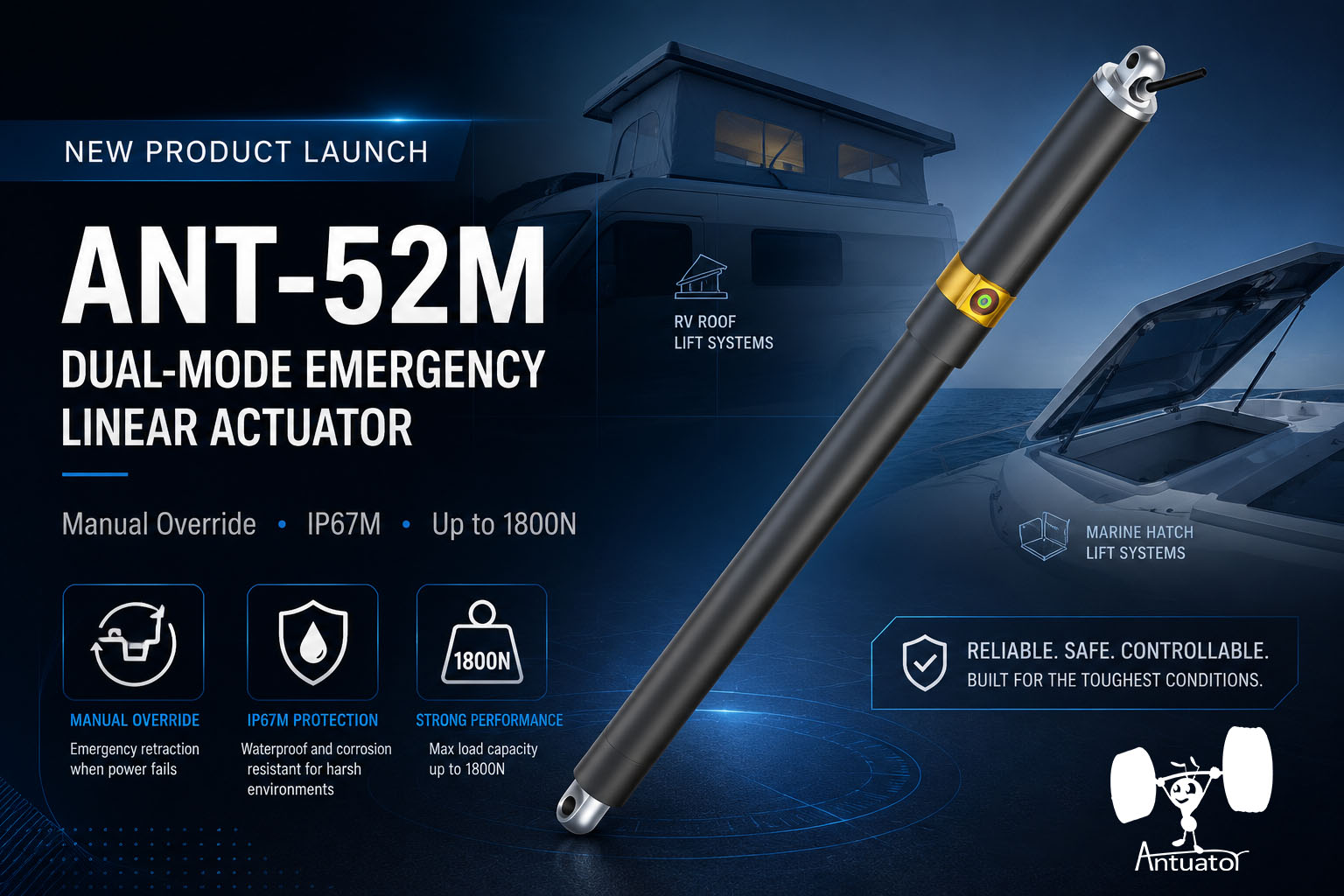
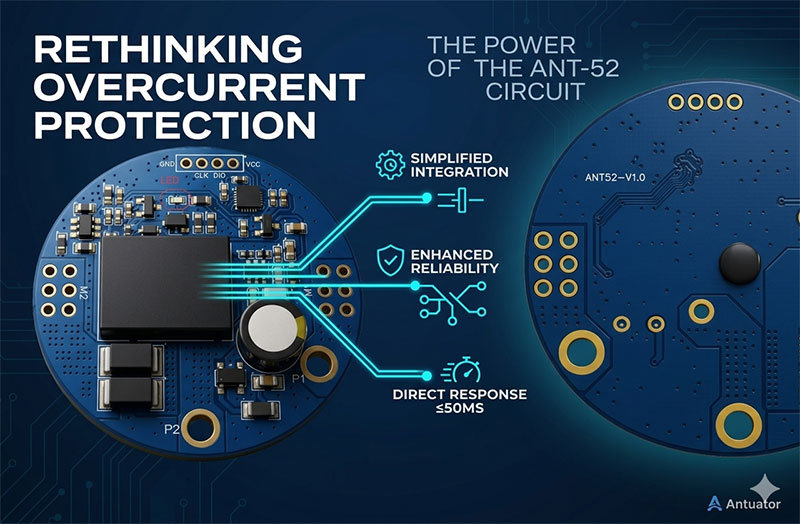
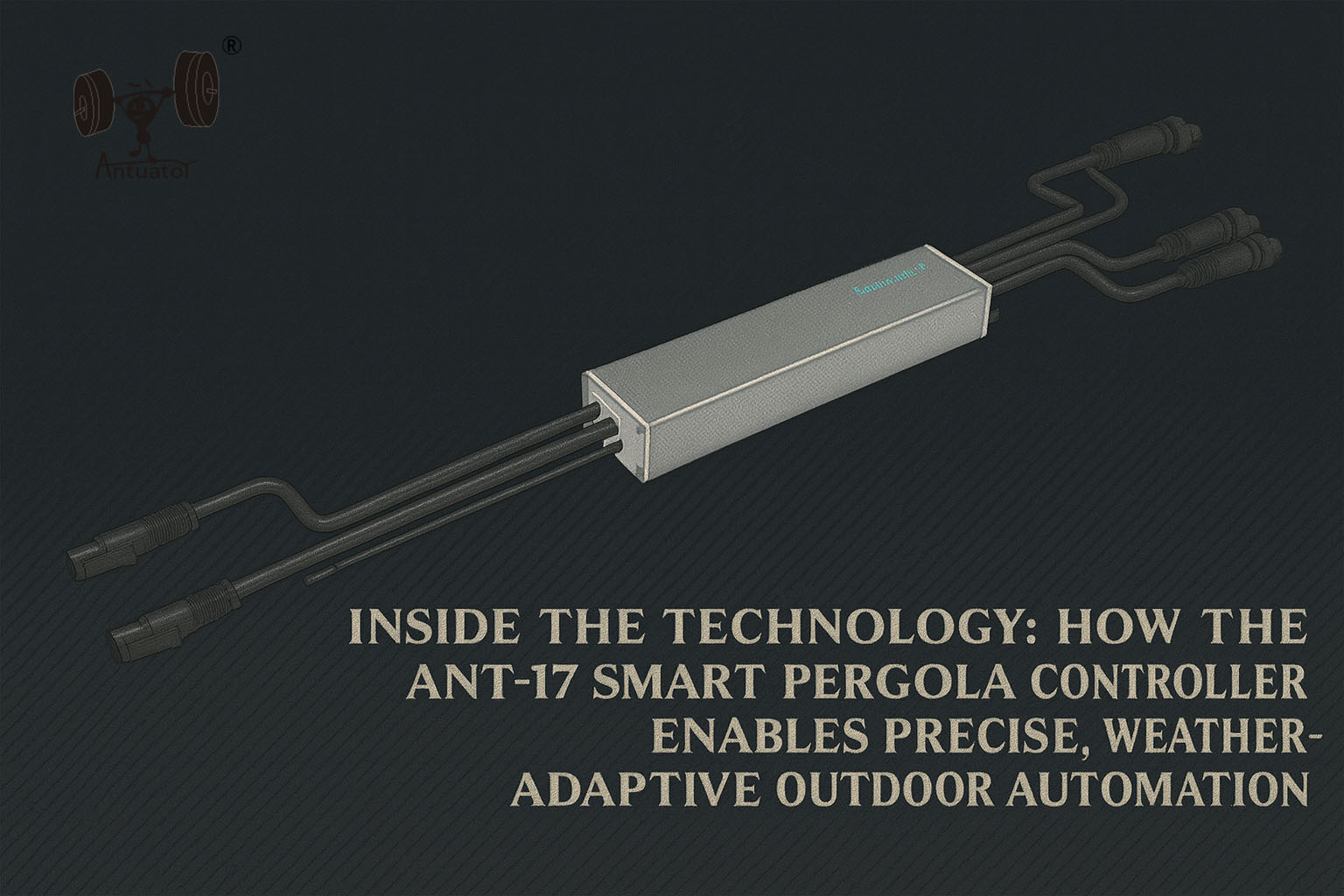
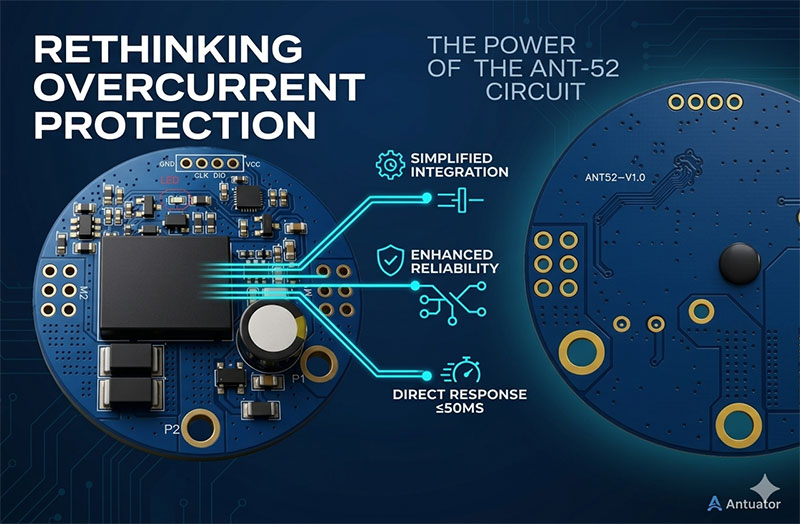
Our latest overcurrent protection solution, exemplified by the ANT-52 control board, isn't just about cutting power—it’s about precision. Key technical benchmarks include:
Wide Voltage Range: Supports DC 9V–30V input, ideal for both 12V and 24V systems.
Adjustable Thresholds: Current protection can be fine-tuned between 2A and 13A to match specific load requirements.
Ultra-Fast Response: A response time of ≤50ms, ensuring the motor is de-energized before a stall can cause overheating or gear wear.
High Drive Capacity: Capable of handling up to 13A for intermittent duty cycles.
Historically, many protection circuits utilized a Power Isolation design to separate control and drive stages. While theoretically safer in extreme laboratory conditions, our field data from outdoor and industrial applications revealed three major drawbacks:
Increased Failure Points: More components mean a higher statistical probability of failure.
Integration Friction: Isolated designs often require complex wiring and additional grounding logic.
Cost vs. Benefit Gap: For 95% of standard applications (skylights, RV lifts, etc.), isolation added more cost than actual operational value.
By removing the isolation design, we have streamlined the signal path.
1. Enhanced System StabilityFor outdoor equipment—exposed to vibrations, humidity, and temperature swings—simplicity is the ultimate form of reliability. By reducing the circuit layers, we’ve created a more robust path that is less prone to signal interference and component fatigue.
2. Seamless Integration for OEMsWithout the bulk of isolation modules, the ANT-52 system is significantly easier to integrate into existing master controllers. Whether you are designing a Synchronized Skylight System or an Automated RV Roof Lift, the wiring is cleaner and the debugging process is faster.
3. Cost-Competitiveness for ScaleIn mass production, every unnecessary component is a bottleneck. Our optimized design maintains peak performance while reducing the bill of materials (BOM), passing that cost-efficiency directly to our partners.
4. More Direct ResponseBy shortening the logic path—from Detection to Decision to Execution—the system acts more decisively. In a stall event, the relay disconnects with zero hesitation, providing the "hard stop" safety that mechanical structures depend on.
This streamlined protection strategy is specifically engineered for:
Electric Window/Skylight Openers: Protecting frames from warping during obstruction.
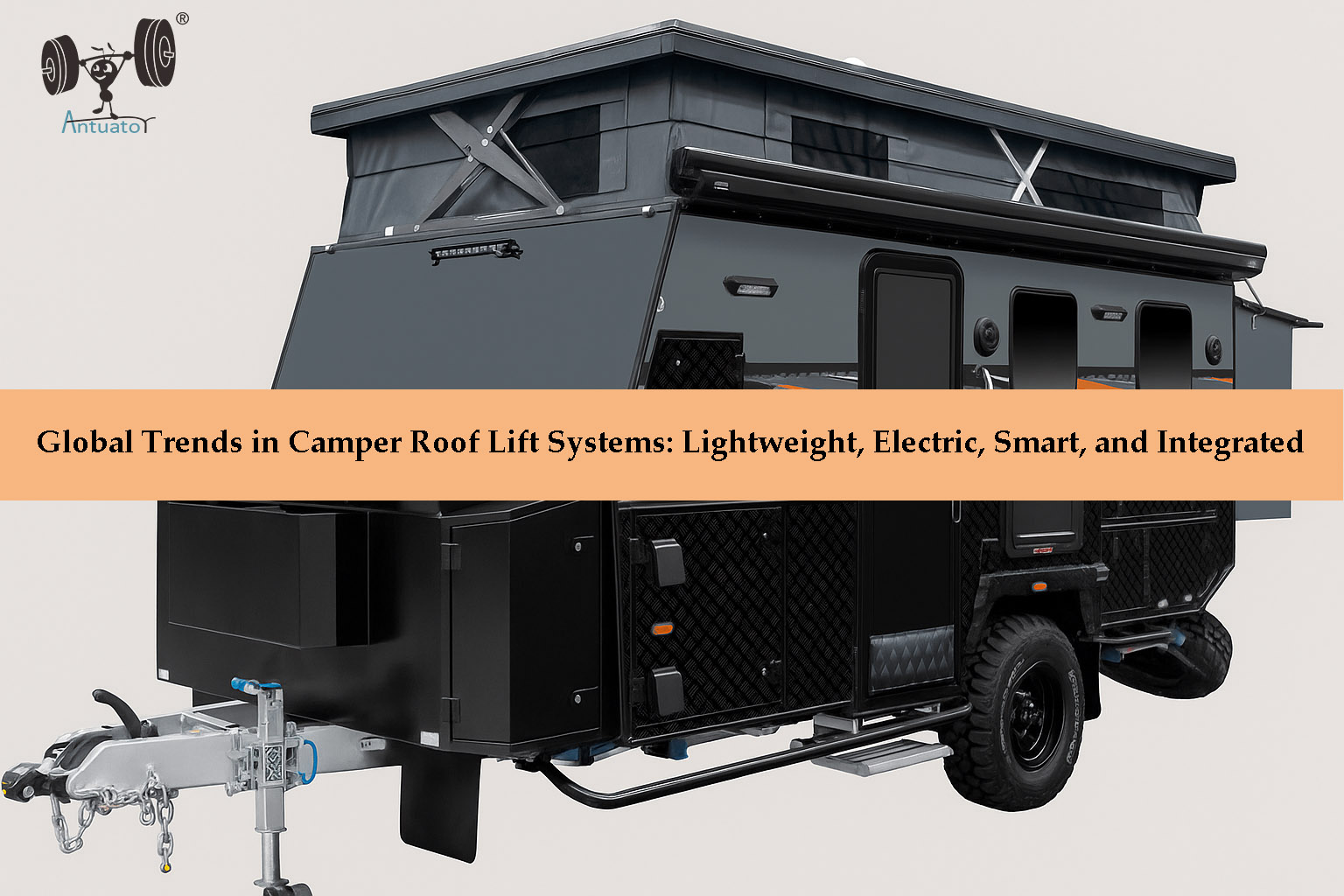
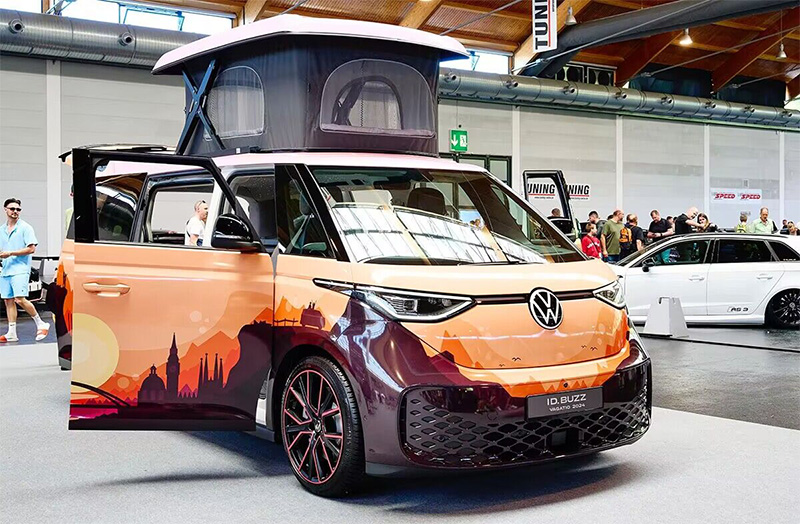
RV Lift & Slide Systems: Ensuring safety during roof or bed leveling.
Outdoor Shading Structures: Handling wind-resistance fluctuations without false tripping.
Industrial Access Covers: Managing heavy lids with unpredictable friction points.
True innovation isn't always about adding features; often, it’s about refining what works to make it more accessible and durable. By moving from "capable of protecting" to "optimized for the application," we are helping our clients build safer, simpler, and more competitive products.
Are you looking to optimize the safety of your next motion control project?